Hany Armanious: Stone Soup announced
Buxton Contemporary announces major new solo exhibition, Hany Armanious: Stone Soup
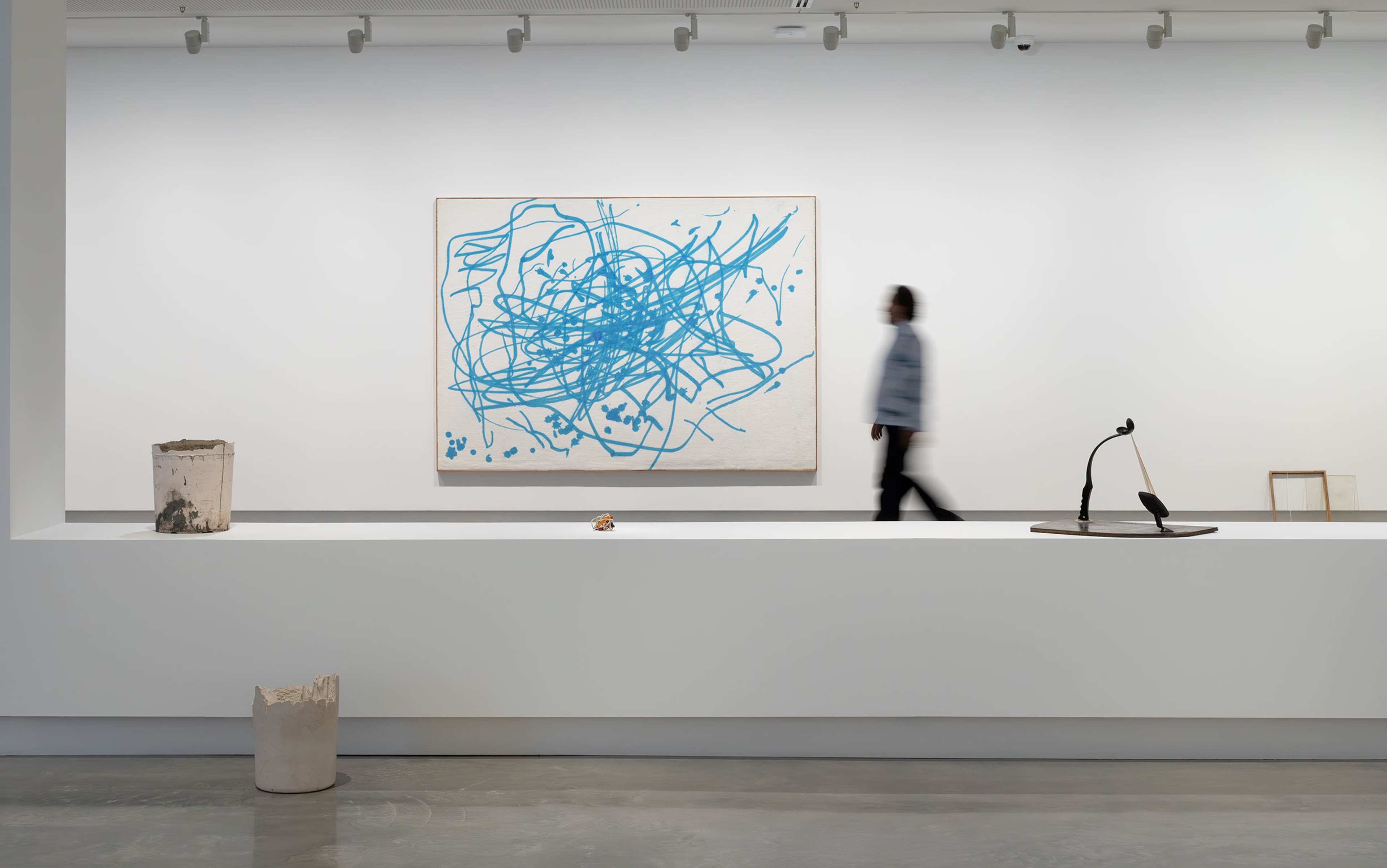
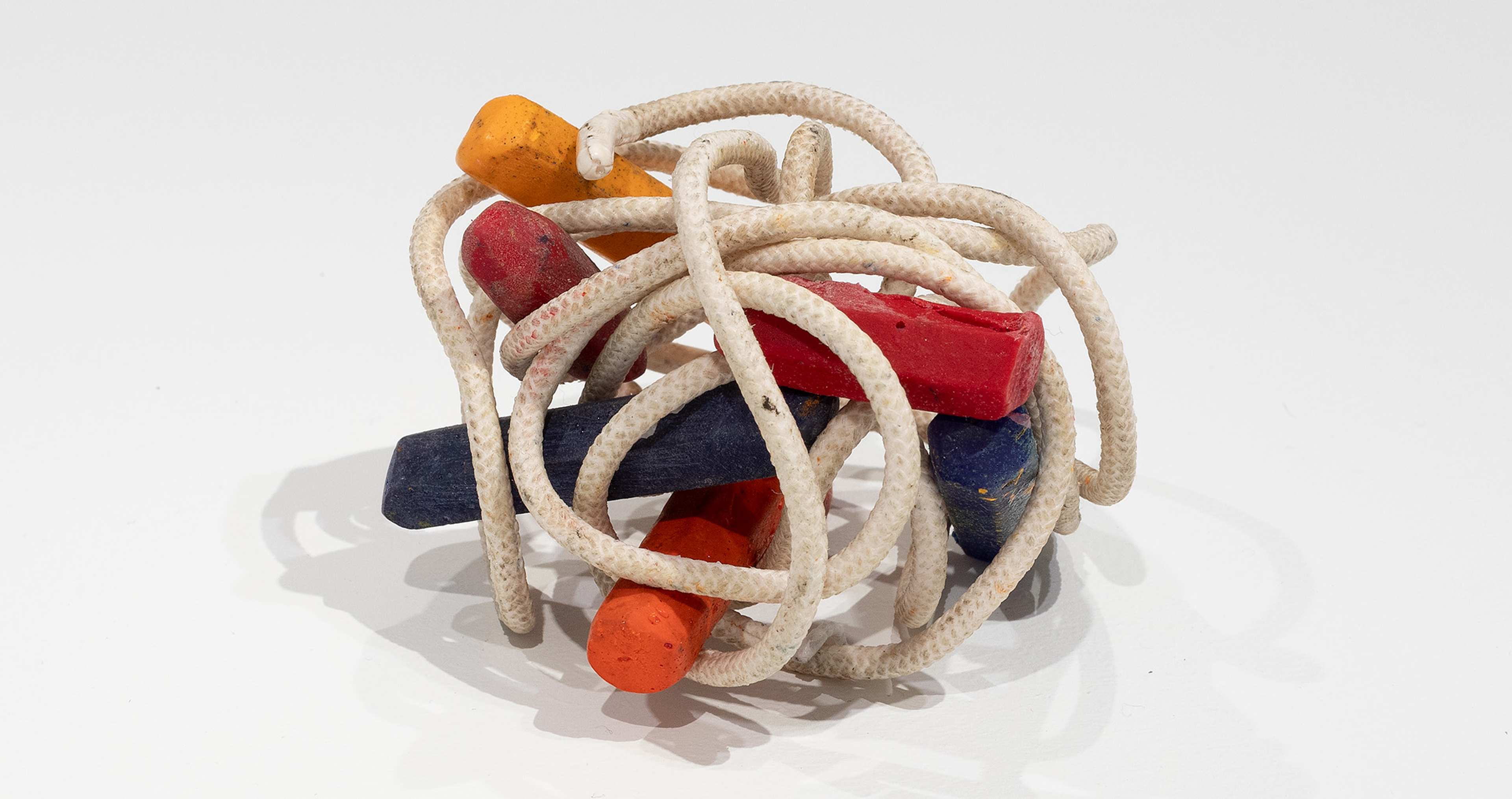
The University of Melbourne’s Buxton Contemporary has announced Hany Armanious: Stone Soup, a major solo exhibition presented in partnership with the Henry Moore Institute, United Kingdom. Opening 21 November 2025 and running until 11 April 2026, the exhibition will showcase more than 80 works, including a significant new commission.
This exhibition is part of a series at Buxton Contemporary that focuses on artists from the Buxton Collection and follows the 2024 presentation of Stone Soup at the Henry Moore Institute in Leeds.
The Melbourne exhibition is guest curated by Laurence Sillars, Head of the Henry Moore Institute, with Samantha Comte, Head Curator, and Charlotte Day, Director of Art Museums at the University of Melbourne. Expanding on the presentation in Leeds, it brings together an extensive body of work that highlights the breadth of Armanious’ practice.
Hany Armanious is one of Australia’s most acclaimed artists. He is celebrated for his inventive and often playful approach to sculpture, inviting audiences to experience ordinary objects anew. Drawing from the everyday, he recasts found objects in resin at a 1:1 scale, with meticulous attention to colour, texture and form, while allowing subtle imperfections to remain visible. His practice captures the creative energy of seeing and making, laying bare the fundamental decisions and processes of creating and presenting art, while reflecting on the joy of encountering things as if for the very first time.
Samantha Comte, Head Curator, Art Museums, University of Melbourne, said: “We’re delighted to present Hany Armanious: Stone Soup at Buxton Contemporary. This exhibition captures the breadth of his practice – presenting a body of work that favours ambiguity and unexpected poetic possibility over overt symbolism. His practice questions how we use objects to anchor ourselves in the world, and whether those meanings are ever fixed – an artistic enquiry that feels particularly important today.”
Alongside his sustained enquiry into form, Armanious situates his practice within the legacies of art history. He often gives his works titles that reference iconic modernist works, inviting a probing at concepts of value and opening unexpected poetic possibilities shaped as much by the artist’s gesture as by the perspectives audiences bring to the work.
Stone Soup also features Armanious’ less familiar two-dimensional practice. Highlights include Water Lilies (2018), a six-metre work on canvas first shown at Roslyn Oxley9 Gallery and now in the collection of Auckland Art Gallery, as well as a newly commissioned work, created using an inkjet printer, commonly used for large-scale commercial signage, to print directly onto the gallery wall. Both works reveal the marks, scratches and remnants left behind during the artmaking process.
The exhibition opens with Body Swap (2015), an interactive dual-sided mirror work that invites visitors to see themselves – and the world around them – differently. Armanious continues his subversion of the traditional museum plinth by transforming Buxton Contemporary’s internal architecture, replicating the gallery’s existing columns horizontally to act as makeshift support for other sculptural works.
Charlotte Day, Director, Art Museums, University of Melbourne, said: “This major exhibition represents an important global partnership between the University of Melbourne and the Henry Moore Institute, one of Europe’s leading sculpture galleries. We are thrilled to bring this significant international exhibition to Melbourne and expand it for our audiences, celebrating Armanious’ remarkable ability to transform the everyday into something extraordinary. We look forward to welcoming visitors to experience his practice firsthand.”
The exhibition includes loans from major institutions such as the Museum of Contemporary Art Australia, Murray Art Museum Albury (MAMA), and Auckland Art Gallery Toi o Tāmaki, New Zealand.
A new monograph will accompany the exhibition, which features new scholarship by Laurence Sillars and is richly illustrated with more than 100 images of Armanious’ work. The monograph is designed by Roland Brauchli and is jointly published with the Henry Moore Institute.